High blood pressure, also known as hypertension, is a common health concern that can lead to serious complications if left unmanaged. Fortunately, there are several natural methods to help lower blood pressure effectively without relying solely on medication. Adopting a healthier lifestyle plays a crucial role in maintaining optimal blood pressure levels and improving overall cardiovascular health.
One of the most effective ways to reduce blood pressure naturally is through regular physical activity. Engaging in moderate exercise such as walking, cycling, or swimming for at least 30 minutes most days of the week helps strengthen the heart and improve circulation. Exercise encourages the body to use oxygen more efficiently and reduces resistance in the arteries, which lowers blood pressure over time. Consistency is key; making physical activity part of your daily routine yields significant benefits.
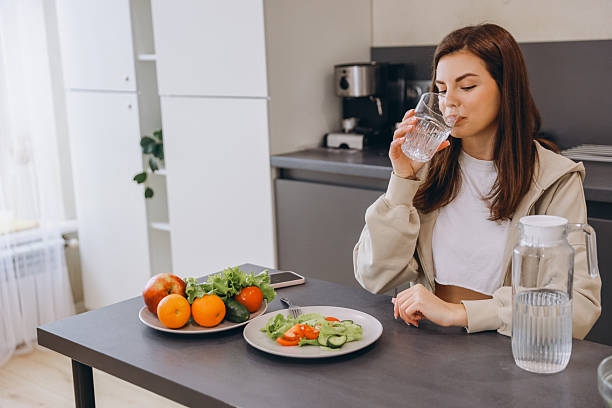
Diet also has a profound impact on blood pressure control. Eating plenty of fruits, vegetables, whole grains, and lean proteins provides essential nutrients like potassium and magnesium that support healthy arteries and fluid balance. Reducing sodium intake is particularly important because excess salt causes the body to retain water, increasing blood volume and arterial pressure. Choosing fresh foods over processed ones helps minimize shop kratom hidden sodium consumption while promoting better nutrition.
Maintaining a healthy weight contributes significantly to lowering high blood pressure naturally. Excess body fat strains the heart by requiring it to pump harder to circulate blood throughout the body. Losing even a small amount of weight can decrease systolic and diastolic readings noticeably. Combining dietary improvements with increased physical activity supports gradual weight loss that enhances cardiovascular function.
Stress management techniques offer another valuable approach for controlling hypertension without medication. Chronic stress triggers hormone release that narrows arteries temporarily but repeatedly can cause sustained elevation in blood pressure levels. Practices such as deep breathing exercises, meditation, yoga, or engaging in hobbies provide relaxation responses that counteract these effects effectively.
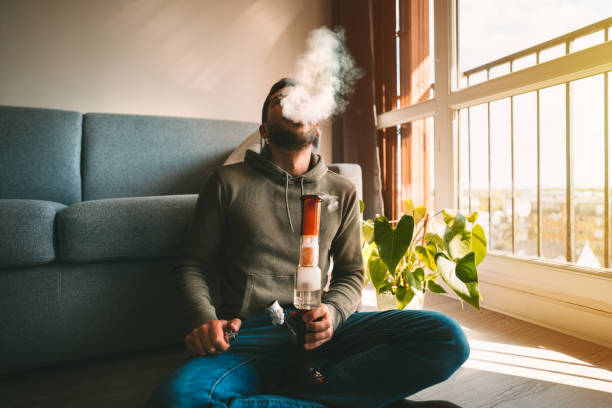
Limiting alcohol consumption benefits those aiming to reduce their hypertension risk as well since excessive drinking raises both short-term and long-term pressures on arterial walls. Similarly, quitting smoking improves vascular health immediately by reducing inflammation and preventing artery damage linked with tobacco use.
Ensuring adequate sleep each night also supports normalizing elevated blood pressures naturally because poor rest disrupts hormonal regulation related to cardiovascular function.
Incorporating these lifestyle changes consistently offers an accessible path toward managing high blood pressure safely while enhancing overall quality of life through improved heart health and reduced disease risk factors across multiple systems within the body.